Identify the sample
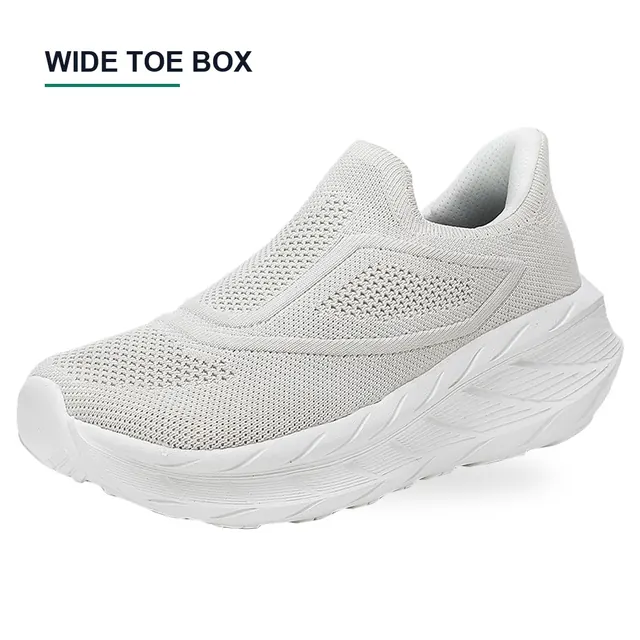
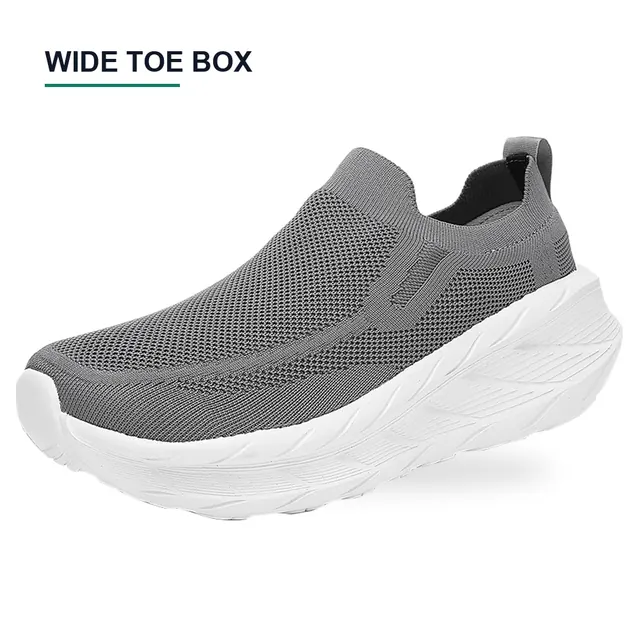
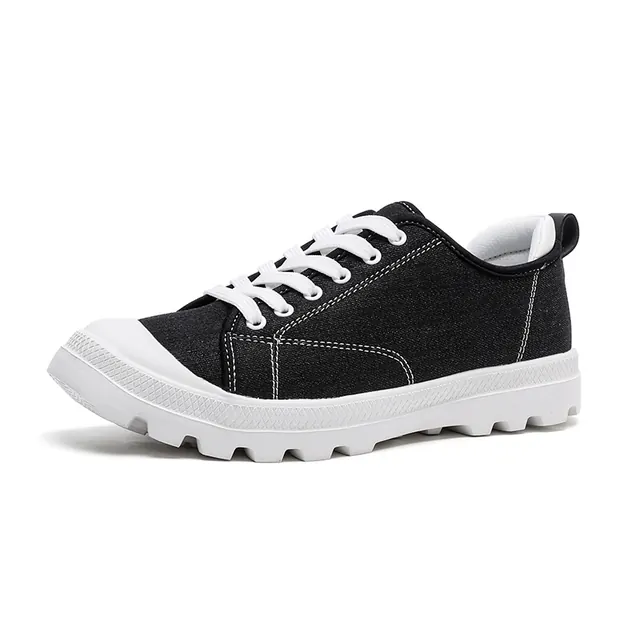
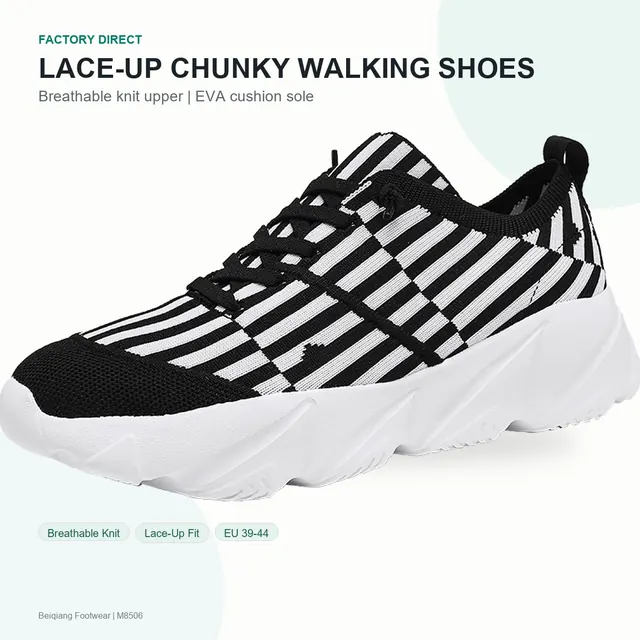
Record the style code, color, size, date and revision. Photograph both shoes and keep the specification with them. If the next sample changes, give it a new revision so everyone knows which version you mean.
Check appearance and workmanship
Compare left and right shoes, stitching, seams, bonding, upper-to-sole alignment, logo position and surface finish. Photograph a concern close up and on the whole shoe, so the factory can locate it.
Try the fit; do not rely on the size label
Record who tried the shoe, the size used and what happened at the toe, instep and heel. A visual toe shape does not prove a wide last. One wearer or one size does not settle fit across the entire size range.
Keep performance tests separate
Feeling a sole by hand does not establish its hardness, density or rebound. Where a technical value matters, agree a test method and record the actual result. A reference component is not the same as a tested finished shoe.
Write a useful revision note
Example: “Sample BQ009, black/white, EU42, revision A: appearance accepted; heel feels loose during our fitting. Please review fit before a revised sample. Logo and packaging have not been reviewed. Bulk production is not approved.” This is an illustrative note, not a finding about BQ009.