What the two terms actually describe
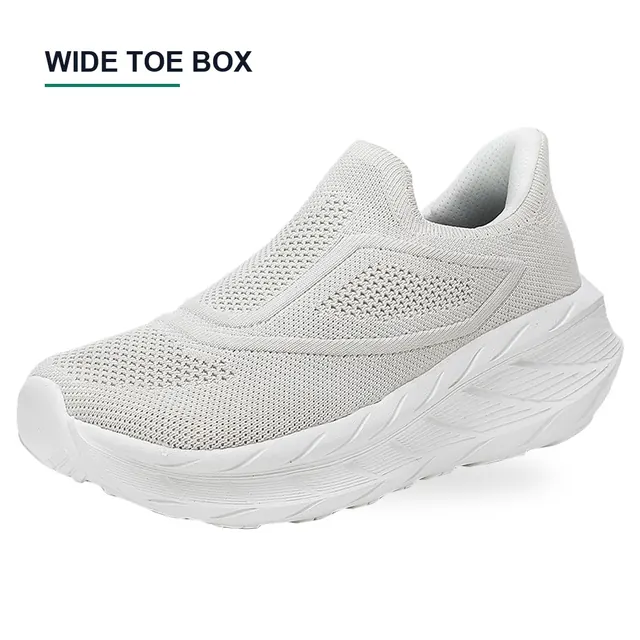
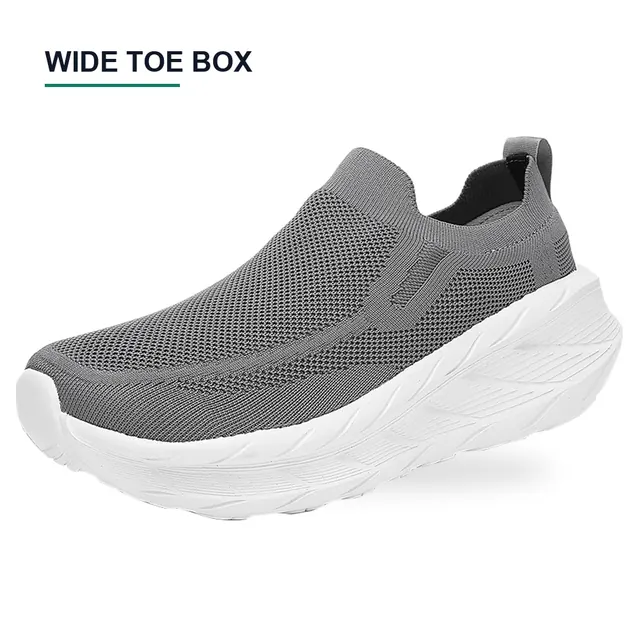
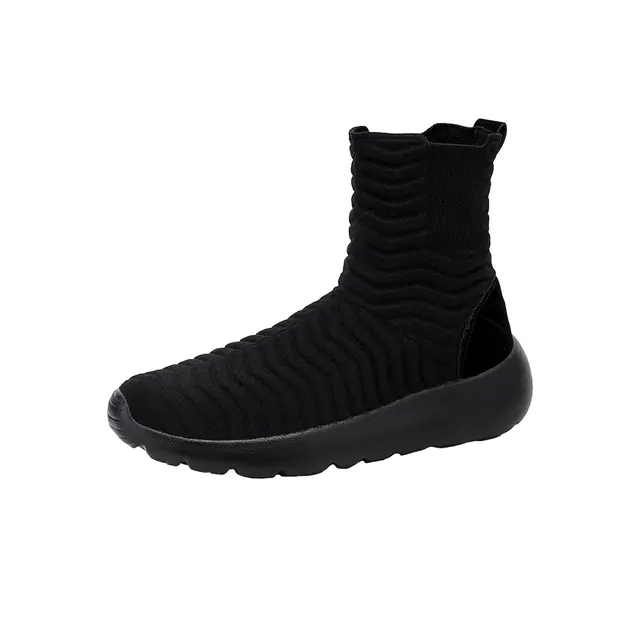
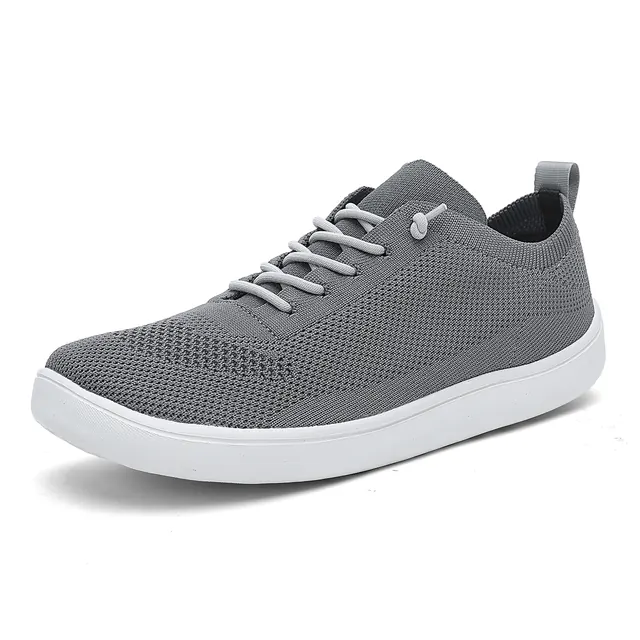
ODM usually means the supplier already has a developed shoe that is offered to several buyers, and a buyer adapts branding, colours or packing. OEM usually means the buyer brings a design or specification and the factory builds to it. The boundary sits with the last step: is the shoe already developed, or does it still have to be?
When an existing style is the right starting point
If you are entering a category, testing a market or building a range quickly, starting from a developed shoe keeps tooling and development time off the critical path. The work then concentrates on changes you can control: logo, colour, insole, labels and packing.
When the project is genuinely a development project
A new last, a new outsole mould, a specified compound or a required test result cannot be handled as a branding change. Treat these as development: they need a brief, a feasibility review, a sample plan and their own cost and timing discussion.
Prepare the brief before you ask for cost
A development discussion moves faster with a reference: an existing shoe, a sketch, or a sample brief explaining what must change and what may stay. Say which requirements are fixed and which are preferences, then ask for development work, tooling and sampling to be quoted separately from production.
A simple way to choose
If the shoe you want already exists and your changes are surface-level, stay on the existing-style path. If the shape, construction or materials must change, plan a development project and expect review steps before a production price. Mixing both in one brief is the most common source of delay.