Stage 1 — shortlist and ask
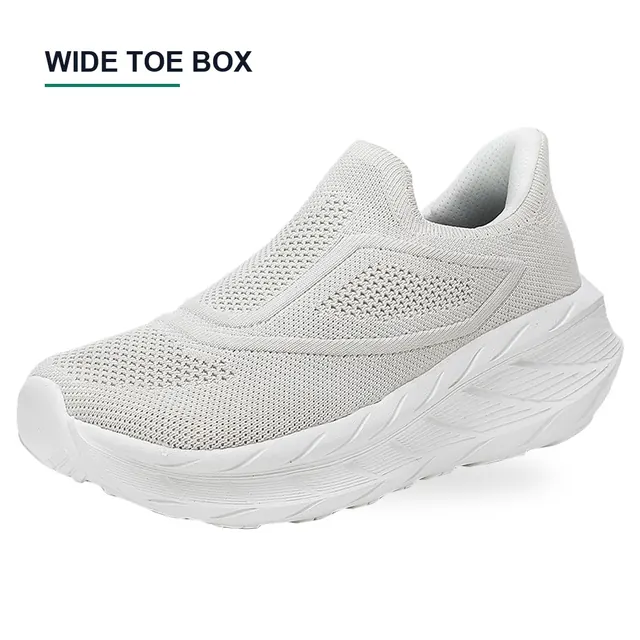
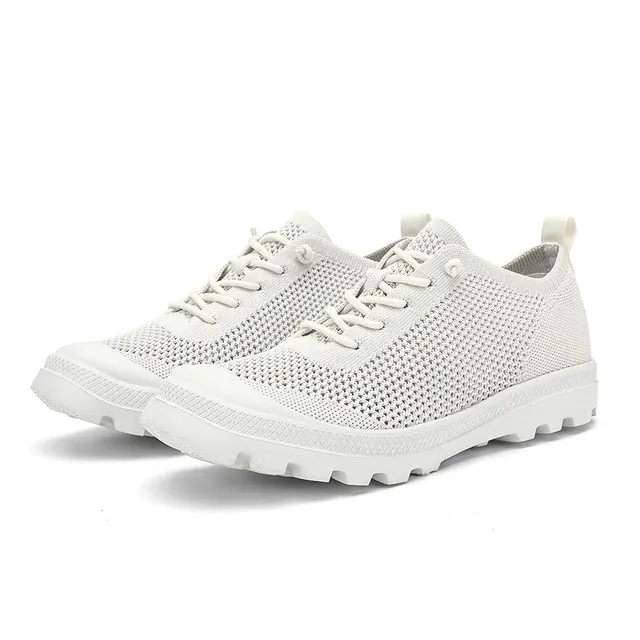
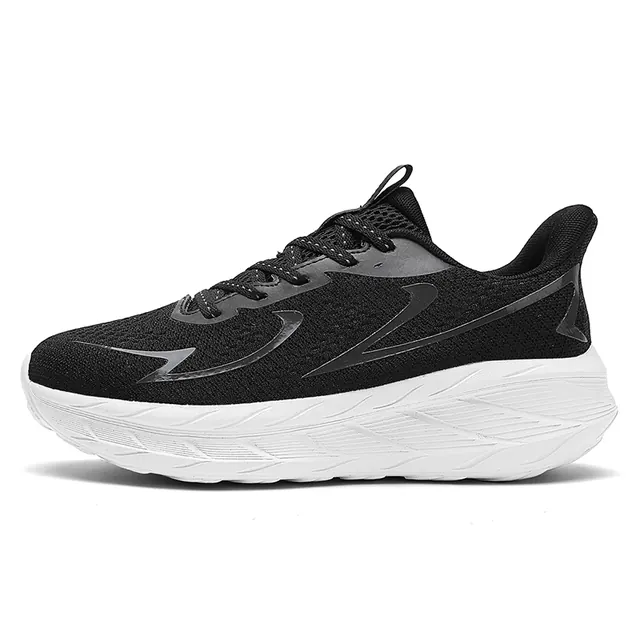
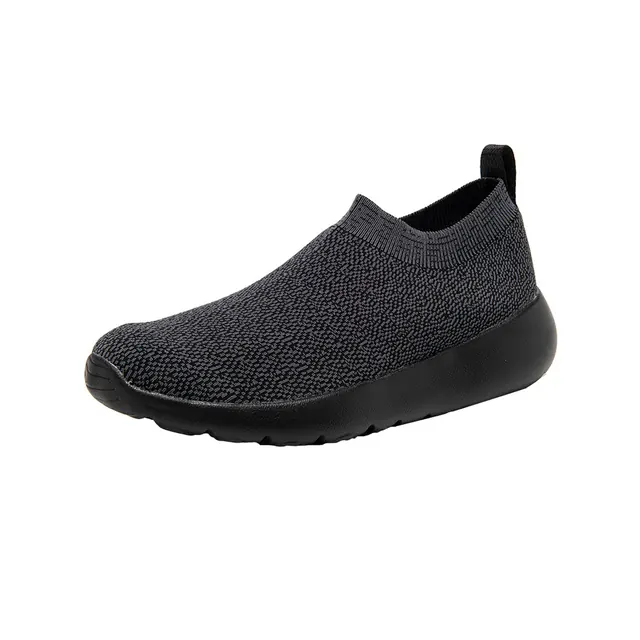
Choose a style or send a reference, then state quantity, size direction and destination, including anything you want to change. A clear first message is the difference between one useful reply and a week of questions.
Stage 2 — sample
Confirm what the sample is meant to demonstrate, what version it will be made from and what it costs, before it is produced. When it arrives, record the version and check fit, workmanship, colour and branding separately, then state clearly what is approved and what must change.
Stage 3 — written quotation
Check that the quotation covers the same style, colours, size ratio, packing and destination you asked about, and that it states what is excluded, the currency, the trade term and how long it stays valid. Only like-for-like quotations can be compared.
Stage 4 — order and payment route
Confirm the final specification and packing, then use the agreed formal channel. Beiqiang's website is not a card checkout: transactions are completed through the agreed Alibaba Trade Assurance order or a bilateral contract, with payment terms stated in writing.
Stage 5 — production and checking
Agree what will be checked before shipment, by whom, and how a finding will be resolved. Ask for the current production status rather than a general reassurance. When something changes, treat it as a change to be confirmed, not an adjustment to be assumed.
Stage 6 — packing and shipment
Confirm carton marking, quantity per carton, labels and shipping method, then check the shipping documents against the agreed terms. Anything unclear here is cheaper to resolve before dispatch than after.